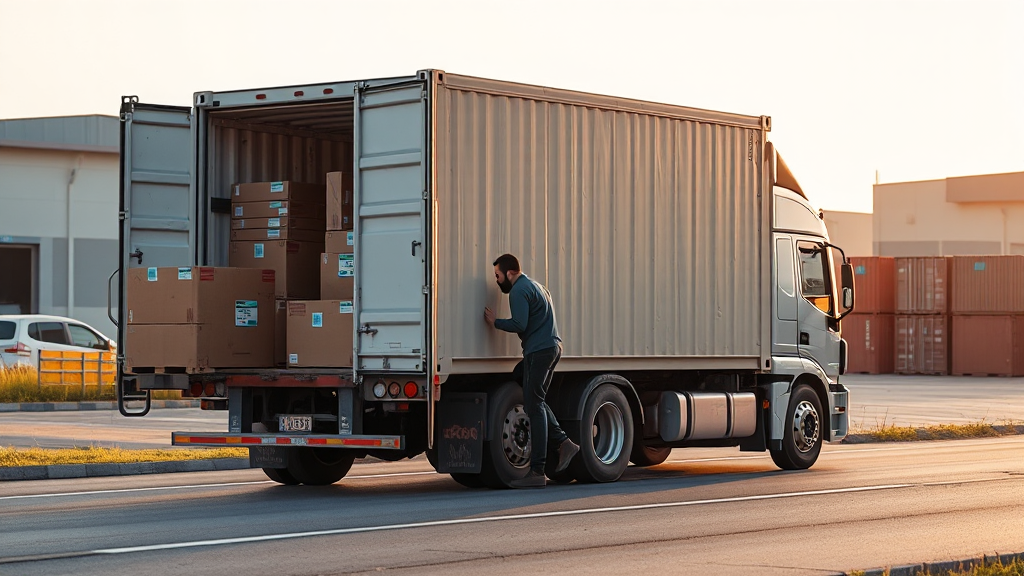
How international cargo services in Peshwar Keep Trade Moving
Peshawar sits at a crossroads that has mattered for centuries. Long before modern highways and airports, this city was a meeting point for caravans moving goods between South Asia, Central Asia, and the Middle East. Today, that same geographic advantage makes Peshawar an important node for businesses and families who need to send or receive goods across borders. Reliable international cargo services in Peshwar help traders, importers, exporters, and private individuals move shipments safely and on schedule, whether the destination is Dubai, London, Toronto, or Kuala Lumpur.
Understanding how these services work can save you money, reduce delays, and protect your goods from avoidable damage. This guide walks through the practical side of international cargo in Peshawar, from choosing between air and sea freight to preparing documents and tracking shipments until they reach the final address.
Why Peshawar Is a Strategic Cargo Hub
Peshawar’s location near the Khyber Pass and its proximity to Afghanistan and Central Asian markets give it a unique role in regional trade. The city is connected to Islamabad and the wider national motorway network, and Bacha Khan International Airport handles both passenger and cargo traffic. This combination means shipments can move by road to major seaports in Karachi and Port Qasim, or by air from Peshawar itself for time-sensitive consignments.
For local businesses, this matters because it shortens the first leg of the journey. Instead of trucking goods all the way to a distant port before they even begin their international voyage, exporters in Peshawar can often arrange pickup, packing, and documentation locally. That reduces handling, lowers the risk of damage, and keeps costs more predictable.
Air Freight vs Sea Freight: Choosing the Right Option
The two main modes for international cargo are air freight and sea freight, and each suits different needs.
Air Freight
Air freight is the faster option. Shipments leaving Peshawar by air typically reach major international destinations within a few days, depending on routing and customs clearance. This makes it ideal for perishable goods, urgent spare parts, electronics, documents, and high-value items where speed justifies the higher cost. Air cargo also involves less physical handling, which can reduce the chance of breakage.
Sea Freight
Sea freight is more economical for large or heavy shipments. Goods are usually trucked from Peshawar to Karachi or Port Qasim, then loaded into containers for ocean transport. Transit times are longer, often several weeks, but the cost per kilogram is much lower. This option works well for furniture, bulk commodities, machinery, and household goods being relocated internationally.
Many professional movers and freight forwarders offer both options under one roof. A good provider will assess your cargo’s weight, volume, urgency, and value, then recommend the mode that gives the best balance of speed and cost.
What International Cargo Services Typically Include
A complete international cargo service is more than just transportation. It usually covers a chain of tasks that must all be handled correctly for the shipment to clear borders smoothly.
- Pickup and packing: Collecting goods from your home, office, or warehouse in Peshawar and packing them using appropriate materials such as double-walled cartons, bubble wrap, and wooden crates for fragile items.
- Documentation: Preparing the commercial invoice, packing list, bill of lading or air waybill, certificate of origin, and any export or import permits required by the destination country.
- Customs clearance: Handling export formalities in Pakistan and coordinating with customs brokers at the destination to clear the shipment.
- Freight and transit: Booking space with airlines or shipping lines and managing the journey, including any transshipment.
- Delivery and tracking: Delivering the goods to the final address and providing tracking updates so you always know where your shipment is.
When these steps are handled by one coordinated team, the process becomes much simpler for the customer. You deal with one point of contact instead of chasing multiple agents.
Documents You Will Usually Need
Paperwork is one of the most common reasons shipments get delayed. Having the right documents ready before pickup can prevent your cargo from sitting in a warehouse while problems are resolved.
For commercial shipments, you will normally need a commercial invoice that clearly states the value and description of goods, a packing list showing how items are organized, and a certificate of origin. Depending on the product, additional certificates may be required, such as phytosanitary certificates for agricultural goods or test reports for electronics. For personal effects and household relocations, a detailed inventory and proof of residency or ownership may be requested.
It is also wise to confirm whether the destination country has any restrictions on the items you are sending. Some goods, including certain chemicals, batteries, and cultural artifacts, face strict rules. A reputable cargo provider will flag these issues early so you can adjust your plans.
Packing and Handling: Protecting Your Goods
International shipments pass through many hands, from local pickup crews to port workers and delivery agents. Proper packing is the best defense against damage. Sturdy cartons, adequate cushioning, and clear labeling all play a role. Heavy items should be placed in strong crates, and fragile goods should be wrapped individually.
For household relocations, professional packers often use specialized techniques for furniture, glassware, and electronics. They may also offer storage if your goods need to wait before shipping. If you are moving internationally, it helps to work with a team experienced in both packing and freight, so nothing is lost between the two stages. Services like those offered by just 15 liks bnny hai is ky can coordinate packing and cargo under one plan, which reduces the risk of gaps in responsibility.
Costs and How to Keep Them Under Control
The cost of international cargo depends on several factors: the weight and volume of your shipment, the mode of transport, the distance, fuel surcharges, customs duties, and any special handling requirements. Air freight is priced mainly by chargeable weight, while sea freight is often priced per container or per cubic meter.
To keep costs manageable, consider these practical steps:
- Ship full containers or consolidate with other cargo where possible.
- Reduce volume by disassembling furniture and using efficient packing.
- Book in advance to avoid peak-season surcharges.
- Compare quotes that include all fees, not just the base freight rate.
- Confirm what is covered by insurance and what is not.
Be cautious of quotes that seem unusually low. Hidden charges for documentation, storage, or last-mile delivery can quickly increase the final bill. A transparent provider will explain each cost upfront.
Tracking and Communication
Once your shipment is on its way, tracking becomes important. Most cargo services provide a tracking number that lets you follow the shipment online. For sea freight, updates may be less frequent than for air freight, but you should still receive milestones such as departure, arrival at the destination port, and customs clearance.
Good communication is just as valuable as tracking technology. A responsive team will inform you of delays, customs queries, or changes in schedule before they become serious problems. If you are relocating internationally, this kind of support can make a stressful process much easier to manage.
Common Mistakes to Avoid
Many delays and extra costs come from avoidable mistakes. Under-declaring the value of goods to reduce duties can lead to penalties and confiscation. Packing liquids or batteries without checking airline and shipping rules can cause shipments to be rejected. Failing to label boxes clearly can result in lost items. And choosing a provider based only on the lowest quote, without checking experience and insurance, often leads to problems later.
Taking time to plan, ask questions, and verify credentials will almost always pay off.
Frequently Asked Questions
How long does international cargo take from Peshawar?
Air freight usually takes a few days to a week, depending on the destination and customs clearance. Sea freight typically takes several weeks because goods travel by road to Karachi or Port Qasim and then by ocean vessel.
Can I ship personal household items internationally from Peshawar?
Yes. Many cargo and moving companies handle personal effects and household goods. You will usually need an inventory list and may need to provide proof of identity or residency for customs purposes.
Is insurance necessary for international cargo?
Insurance is not always mandatory, but it is strongly recommended. International shipments pass through multiple handling points, and insurance protects you financially if goods are lost or damaged.
What items cannot be shipped internationally from Peshawar?
Restricted items typically include narcotics, certain weapons, counterfeit goods, some chemicals, and items banned by the destination country. Rules vary, so always confirm with your cargo provider before packing.
How can I get a quote for international cargo services in Peshwar?
Contact a reputable provider with details of your shipment, including weight, volume, destination, and preferred timeline. They can then recommend air or sea freight and give you a clear cost estimate.
Final Thoughts
Peshawar’s role in regional and international trade is as relevant today as it was in the era of the old caravans. For businesses and families, the key to a smooth shipment is choosing a cargo service that handles packing, documentation, freight, and delivery as one coordinated process. With the right planning and a reliable provider, your goods can travel from Peshawar to destinations around the world safely and without unnecessary delays.
